
Every January brings the same question: “Where should we travel this year?” Europe continues to be one of the most appealing choices. Snow-covered mountains sit just a train ride away from sunny coastlines, historic cities are filled with remarkable architecture, and even a simple local meal can become one of the most memorable parts of the journey.
For travelers looking for the best places to visit in Europe, 2026 offers plenty of reasons to start planning. Off-season airfares may be easier to find, several major cities are improving how they manage crowds, and expanding rail connections are making it simpler to visit multiple destinations in one trip. This guide highlights some of the top places to consider and explains how to turn them into a practical Europe itinerary.
Why 2026 Is a Good Year to Plan a European Trip
Several developments are making European travel more convenient in 2026. Expanded high-speed rail connections across Western and Central Europe make it easier to include two or three countries in a single Europe itinerary without depending on frequent flights. Many popular attractions have also improved how they manage visitor flow, helping travelers navigate busy periods more comfortably.
Better travel connections and competitive pricing in parts of Southern and Eastern Europe may also offer greater value. Whether you are comparing Europe holiday packages or exploring new European vacation ideas, planning a trip across multiple Europe travel destinations is becoming simpler and more practical.
Top Europe Destinations to Consider for 2026
Italy – Rome, Venice, and the Amalfi Coast
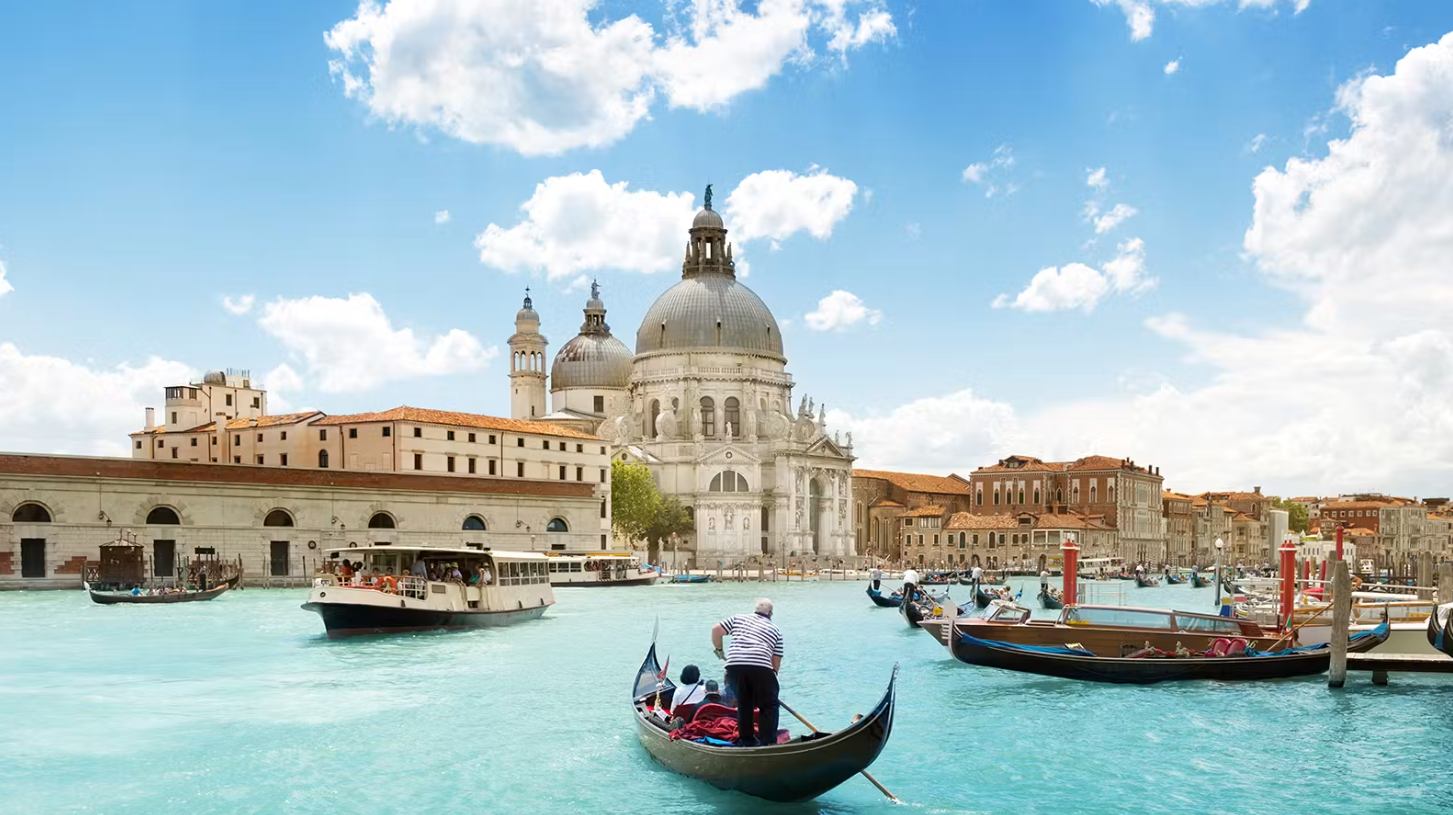
Italy is a near-permanent fixture on every travel list, and it earns that spot. Rome layers thousands of years of history into every street corner, Venice offers an experience no other city can copy, and the Amalfi Coast delivers views that photographs consistently undersell. For a first European trip, Italy is about as close to a sure thing as it gets.
Switzerland – Zurich, Zermatt, and the Alps
If you want your trip to feel like it belongs in a film, Switzerland delivers. Mountain trains climb straight into the clouds, lakeside towns look almost implausibly neat, and hiking routes range from easy afternoon walks to serious alpine terrain. It isn’t a budget destination, but it’s often the one travelers remember most clearly.
England – London, York, and Scotland
For a blend of urban energy, medieval history, and dramatic landscapes, pairing England with Scotland is hard to top. London balances its historic and modern sides well, York feels like stepping into an earlier century, and the Scottish Highlands offer some of the continent’s most underrated scenery.
Austria – Vienna, Hallstatt, and Salzburg
Austria tends to catch first-time visitors off guard, in a good way. Vienna combines imperial architecture with a genuine coffeehouse culture, Hallstatt looks almost built for photographs, and Salzburg pairs its musical heritage with a charming, walkable old town. It’s a quieter option compared to Europe’s more heavily visited western cities.
Finland – Helsinki and Beyond
If your ideal European trip leans toward quiet, snow, and something a little different, Finland deserves serious consideration in 2026. Helsinki’s design-driven city center pairs naturally with day trips further north for a taste of Nordic winter – including experiences most standard itineraries never touch.
Eastern Europe – The Underrated Region
Eastern Europe consistently delivers more value per day than its western neighbors, without giving up the history, architecture, or food that draw travelers to the continent in the first place. It’s one of the strongest regions to explore in 2026 if you want a trip that feels less crowded and more affordable.
European Vacation Ideas Based on Travel Style
No two trips should look identical – the best starting point is being honest about the kind of traveler you actually are.
First-timers: Keep it to one or two countries with solid train or short-flight links – Italy with Switzerland, or England with Scotland, both work without overloading the itinerary.
Honeymooners: Slower-paced, scenic destinations tend to leave the deepest impression – think the Amalfi Coast, Austria’s lake region, or a stay in the Swiss Alps.
Families: Cities that mix history with open space, like Vienna or London, keep both kids and adults engaged without wearing anyone out.
Adventure travelers: Switzerland’s trails and Finland’s Nordic landscapes offer the kind of active, outdoor-focused days a city-only trip can’t match.
Budget-conscious travelers: Eastern Europe, along with parts of Finland outside the capital, offers noticeably better value without a dip in quality.
Building a Europe Itinerary That Actually Works
The most common mistake travelers make is trying to cram in too much. Five countries in ten days might look impressive on paper, but in practice it usually means more time in transit and less time actually enjoying any single place.
A more sustainable approach:
Choose a base region, not just a list of cities. Western Europe, Central Europe, and Scandinavia each cluster naturally.
Give each country at least 3-4 days if you want more than a rushed, photo-stop version of it.
Build in one buffer day. Delayed trains, an extra day in a place you fell for, or simple downtime – an itinerary with zero flexibility tends to wear you down by day six.
Mix big cities with slower stops. Pairing Rome or London with a smaller town like Hallstatt or York keeps the pace from feeling relentless.
Sort out visa requirements early, particularly if your route dips outside the Schengen zone.
If handling all of this yourself starts to feel like a second job, that’s precisely the gap a well-built Europe holiday package is meant to fill.
Why a Europe Holiday Package Still Makes Sense in 2026
With so much travel information freely available, it’s fair to wonder whether a package is even necessary anymore. But for multi-country European trips specifically, a well-structured package still holds real value – it bundles flights, hotels, transfers, and often skip-the-line access into one predictable price, and it hands off the logistics – train connections, visa paperwork, last-minute changes – to someone whose job is managing exactly that.
That’s the real payoff: not just convenience, but having someone accountable when a flight shifts or a hotel booking needs fixing mid-trip – a minor hiccup for an experienced agency, and a real headache to sort out alone from a hotel room abroad.
Final Thoughts
2026 is shaping up to be a strong year to finally book that European trip you’ve been putting off. Whether you’re pulled toward Italy’s history, Switzerland’s mountains, the city-and-countryside combination of England and Scotland, Austria’s quieter charm, Finland’s Nordic calm, or the value of Eastern Europe, the key is building an itinerary around your actual travel style – not just a list of well-known names.
At Round The World Holidays, we’ve been planning European journeys since 2011 – flights, hotels, visas, transfers, and everything in between – so your itinerary comes together without the stress of handling it all yourself. Explore our Europe destinations or browse our Eastern Europe packages to start building your 2026 trip, or get in touch with our travel experts for a custom itinerary.